
Siding Replacement on the Jersey Shore: What Actually Lasts
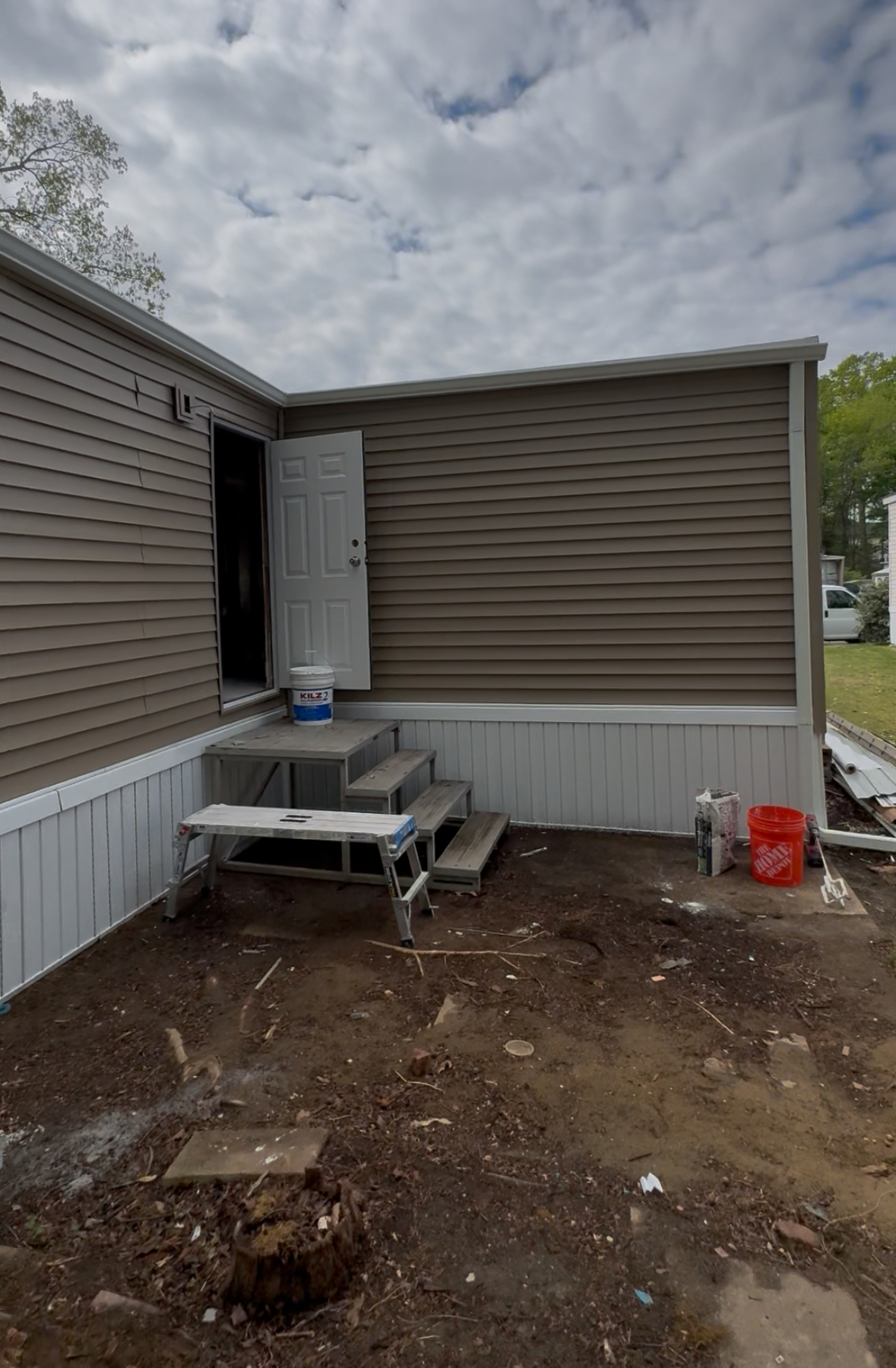
Siding on a shore home doesn't have the same life expectancy as siding on an inland house. Salt-laden air pits fasteners, UV bleaches color, and wind-driven rain finds every soft seam. Picking the right product — and prepping the wall behind it — is what separates a 10-year job from a 30-year job.
Vinyl is still the most common choice in Ocean and Monmouth County because it's affordable, low maintenance, and modern panels handle UV well. The catch: cheap vinyl warps and fades fast near the water. Stick to thicker insulated panels from a reputable line if you're within a few miles of the bay or ocean.
Fiber cement (James Hardie and equivalents) is the upgrade most shore homeowners should consider. It doesn't warp, holds paint for 15+ years, and resists impact better than vinyl. The trade-off is weight and labor — installation costs more, and the substrate has to be ready for it.
Engineered wood (LP SmartSide and similar) hits a middle ground — real wood look, better impact resistance than vinyl, lighter than fiber cement. Maintenance is real though; the paint cycle still matters.
Whatever you pick, the house wrap, flashing details around windows and doors, and a proper rainscreen gap are what keep water out of the wall assembly. Skipping any of those is how 'new' siding leaks within a few seasons.
Most shore siding jobs run 5–10 days depending on home size, trim detail, and whether windows or trim wrap are being replaced at the same time.